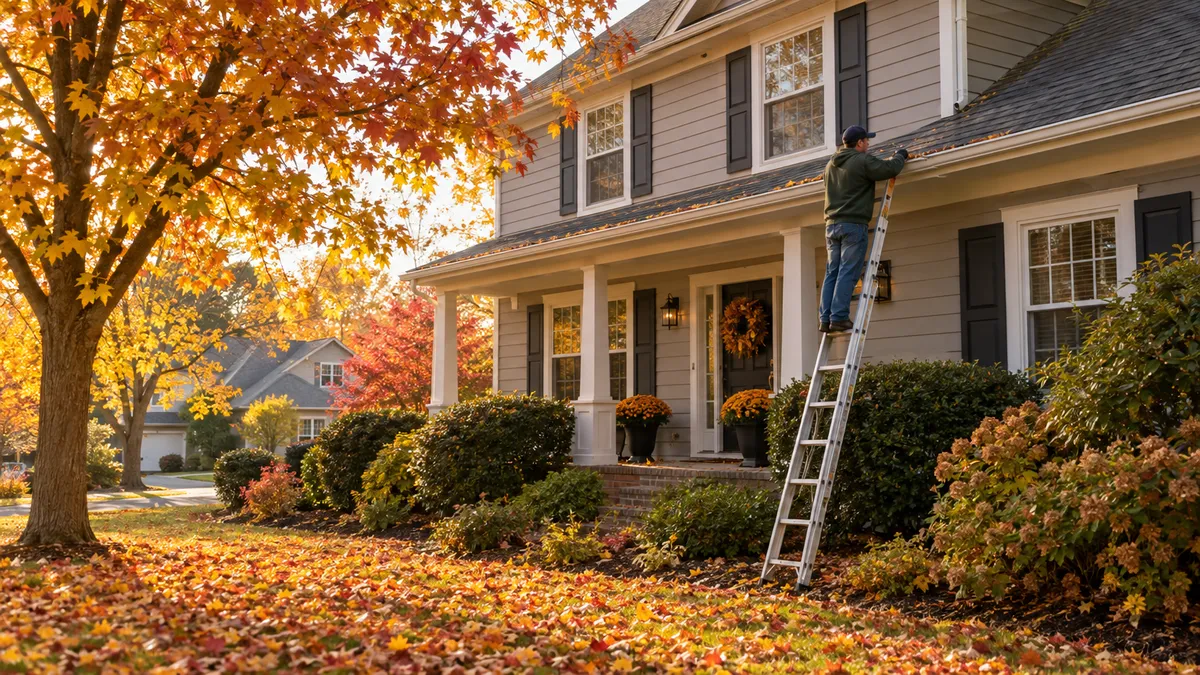
Fall Home Maintenance Checklist: What Homeowners Should Do Before Winter
October is a great reminder that your home needs seasonal attention just as much as your yard does. The gap between the end of summer and the start of winter is the best window to catch small issues before freezing temperatures, heavy snow, or persistent cold rain turn them into expensive repairs. A focused fall walkthrough — inside and out — can protect your investment, lower your energy bills, and give you peace of mind heading into the colder months.
Here's a practical, room-by-room and system-by-system checklist to work through before winter sets in.
Start Outside: Exterior Inspection and Prep
Your home's exterior takes the brunt of every season, and fall is the time to assess how it held up over spring and summer — and get it ready for what's ahead.
Clean and Inspect Your Gutters
Clogged gutters are one of the most common sources of water damage homeowners deal with in winter. When gutters are packed with leaves and debris, water can't drain properly. It backs up, refreezes at the roofline, and creates ice dams that force moisture under shingles and into your home. Clean your gutters thoroughly after the majority of leaves have fallen — usually mid-to-late October in most regions. While you're up there, check that hangers are secure, seams are tight, and downspouts are directing water at least a few feet away from your foundation.
Inspect Your Roof
You don't need to walk your roof to do a basic inspection — binoculars from the ground work well. Look for missing, curling, or cracked shingles, damaged flashing around chimneys and vents, and any areas where the surface appears uneven or worn. Addressing a minor roof issue in October is significantly less disruptive and less costly than addressing a leak after a heavy winter storm. If anything looks questionable, bring in a qualified roofing professional for a closer look before winter.
Check Your Siding
Walk the perimeter of your home and look for any cracked, warped, or missing siding panels. Pay particular attention to areas around windows, doors, and corners where gaps can develop over time. Damaged or deteriorating siding allows moisture to work its way into the wall cavity, which can lead to structural damage and mold growth during prolonged winter moisture. If your siding is showing signs of age — fading, frequent cracking, or sections that have become difficult to keep maintained — fall is an excellent time to evaluate whether a replacement makes sense before another winter cycle. Hansen's Complete Remodeling offers siding services that can improve both the protection and appearance of your home's exterior.
Seal Windows and Doors
Run your hand along the interior edges of windows and exterior doors on a cold or windy day. If you feel air movement, the weatherstripping or caulk has worn down. Replacing weatherstripping is an inexpensive afternoon project that delivers noticeable results on your heating bill almost immediately. Check exterior caulk around window frames and door casings as well — it can crack and shrink over time, creating pathways for cold air and moisture. If your windows themselves are older — single-pane, visibly fogged between panes, or drafty despite good weatherstripping — it may be worth discussing replacement options before another heating season passes. Learn more about window replacement at Hansen's.
Disconnect and Store Garden Hoses
This one gets overlooked more than it should. Water left in an outdoor hose bib or connected hose can freeze, expand, and crack the pipe behind the wall. Disconnect garden hoses, drain them, and store them before temperatures drop below freezing. If your home doesn't have frost-proof exterior spigots, shut off the interior valve that supplies them and drain any remaining water from the line.
Check Driveways, Walkways, and Steps
Inspect concrete and masonry surfaces for cracks or heaving. Water works its way into small cracks, freezes, and expands — turning minor cracks into larger ones over winter. Seal any cracks in driveways or walkways before the first hard freeze. Also make sure outdoor steps are stable and that handrails are firmly anchored. A loose railing becomes a safety hazard when surfaces are icy.
Move Inside: Interior Systems and Living Spaces
Once you've completed your exterior walkthrough, shift your attention to the systems and spaces inside your home that need seasonal attention.
Service Your Heating System
Have your furnace or heat pump professionally serviced before you need it in earnest. An annual tune-up ensures the system is running efficiently, catches worn components before they fail mid-winter, and keeps your warranty valid. Replace the furnace filter if you haven't done so recently — a dirty filter restricts airflow and forces the system to work harder. Most filters should be replaced every one to three months depending on the type and your home's air quality. If you have a fireplace or wood stove, have the chimney cleaned and inspected by a certified chimney sweep. Creosote buildup is a fire hazard that's entirely preventable with routine cleaning. The Chimney Safety Institute of America recommends annual inspections for all fireplaces and venting systems.
Test Smoke and Carbon Monoxide Detectors
Heating equipment runs harder in winter, and homes are sealed tighter — both conditions that increase risk. Test every smoke detector and carbon monoxide detector in your home. Replace batteries in any unit that uses them, and replace any detector that's more than 10 years old. The U.S. Fire Administration recommends testing detectors monthly and replacing them according to manufacturer guidelines.
Inspect Your Water Heater
Check around the base of your water heater for any signs of rust, moisture, or mineral buildup. If the unit is more than 8–10 years old, it's worth having it evaluated — water heaters tend to fail at the most inconvenient times, and cold months are no exception. Flushing sediment from the tank annually helps the unit run more efficiently and extends its lifespan. Consider insulating exposed hot water pipes in unconditioned spaces like basements or crawl spaces to reduce heat loss and protect them from freezing.
Check Your Basement for Moisture Issues
Before winter precipitation begins, do a careful inspection of your basement walls and floor. Look for efflorescence (white mineral deposits), staining along the base of walls, damp spots, or any musty odor. These are signs that water is finding its way in. Addressing drainage, grading, or waterproofing issues in fall is far easier than managing water intrusion in February. If you've been thinking about finishing your basement, that conversation should also start with a moisture assessment — no finishing work should proceed without confirming the space is dry and protected. Hansen's Complete Remodeling can help you assess and plan a basement remodel that starts on the right foundation.
Reverse Ceiling Fans
Most ceiling fans have a switch that reverses the blade direction. In summer, blades spin counterclockwise to push cool air down. In winter, switch them to spin clockwise at a low speed — this pulls cooler air up and gently pushes warm air that's collected near the ceiling back down along the walls. It's a simple change that makes rooms feel warmer without adjusting the thermostat.
Check Attic Insulation and Ventilation
Attic insulation is one of the most cost-effective ways to reduce heat loss. If your home was built more than 20 years ago and you haven't had the attic evaluated, it may be underinsulated by current standards. While you're up there, also check that attic vents are not blocked — proper airflow prevents moisture buildup and helps prevent ice dams at the roofline. If you see daylight around eaves, pipes, or electrical penetrations, seal those gaps to prevent both heat loss and pest entry.
Quick Fall Maintenance Checklist at a Glance
Use this summary as your seasonal reference:
- ✔ Clean and inspect gutters and downspouts
- ✔ Inspect the roof for damaged or missing shingles
- ✔ Check siding for cracks, gaps, or damage
- ✔ Seal windows and doors with caulk and weatherstripping
- ✔ Disconnect and store garden hoses; shut off exterior spigots
- ✔ Inspect and seal driveway and walkway cracks
- ✔ Service the furnace or heating system; replace the filter
- ✔ Have chimney cleaned and inspected
- ✔ Test smoke and carbon monoxide detectors
- ✔ Inspect water heater; insulate exposed pipes
- ✔ Check basement for moisture or water intrusion signs
- ✔ Reverse ceiling fan direction for winter
- ✔ Evaluate attic insulation and ventilation
When Maintenance Reveals a Bigger Project
Fall maintenance often surfaces things homeowners have been putting off — aging siding, drafty old windows, a basement that's been damp for years, or a kitchen that's overdue for an update. The end of the year is actually one of the better times to have those conversations with a remodeling contractor. Schedules tend to be more flexible in late fall and early winter, and getting plans in place now means you're ready to move quickly when spring arrives — or take advantage of winter availability if the project allows.
Whether it's a full basement finishing project, new windows, updated siding, or a kitchen or bathroom remodel you've been planning, the process starts with a conversation about what you want to accomplish and what's realistic for your home and budget.
Ready to Take the Next Step?
If your fall walkthrough has surfaced a project you're ready to move forward on — or if you simply want an expert eye on your home before winter — Hansen's Complete Remodeling is here to help. We work with homeowners on kitchens, bathrooms, basements, flooring, windows, siding, and full home remodeling projects. Contact us today to request a free consultation and let's talk about what your home needs.
