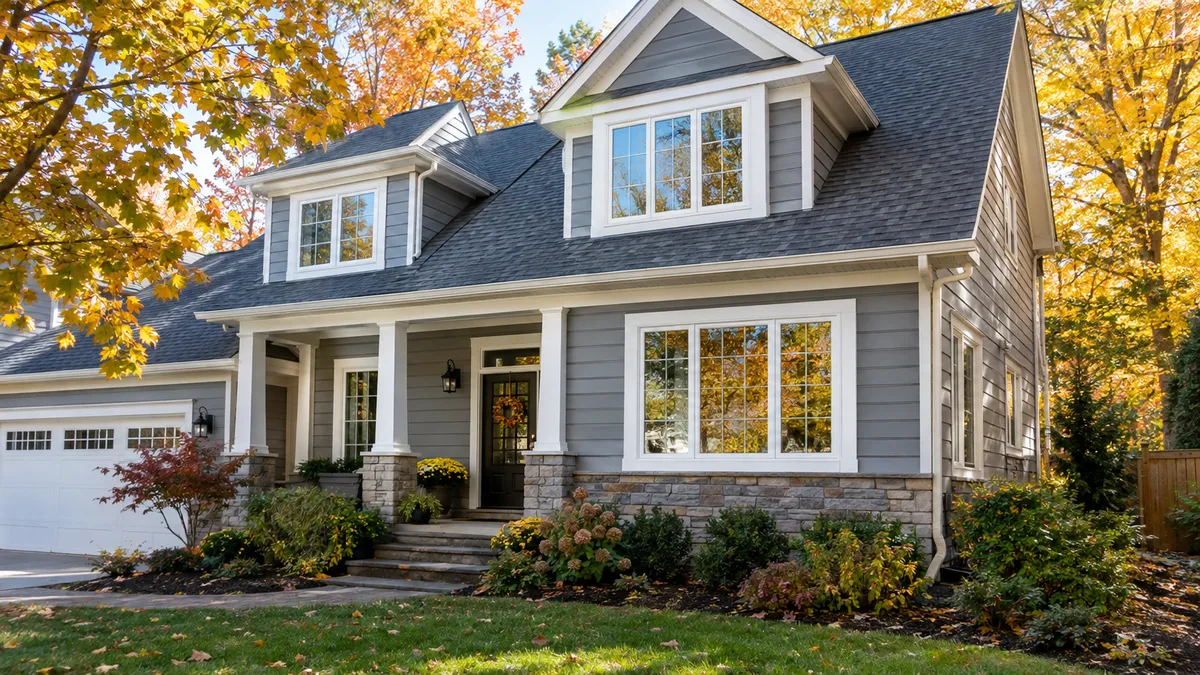
Signs It's Time to Replace Your Home's Windows
Signs It's Time to Replace Your Home's Windows
Your windows do a lot of quiet, thankless work — keeping cold air out, letting natural light in, and helping regulate your home's temperature year-round. But like most things in a house, they don't last forever. At some point, aging windows stop performing the way they should, and the problems they cause tend to compound over time.
The tricky part is that window decline is usually gradual. You might not notice it all at once. Instead, you start seeing small, easy-to-dismiss signs — a slight draft here, a higher heating bill there, a little moisture on the glass. If enough of those signs stack up, it's worth taking a closer look.
Here's what to watch for — and what it might mean for your home.
1. You Feel Drafts Near Closed Windows
This is one of the clearest signals that a window is no longer doing its job. If you can feel air moving near a window that's fully closed, the seal has broken down somewhere. It might be deteriorated weatherstripping, a warped frame, or a failed seal around the glass itself.
Older single-pane windows are especially prone to this. Even some double-pane windows lose their effectiveness as they age and the seals between panes degrade. A simple test: hold your hand near the frame and sash on a cold or windy day. If you feel a temperature difference or air movement, the window is leaking.
Drafty windows make your heating and cooling system work harder — which means higher energy bills and less consistent comfort throughout your home.
2. Your Energy Bills Have Been Climbing
Windows account for a significant portion of residential heat loss during winter and unwanted heat gain in summer. According to the U.S. Department of Energy, heat gain and loss through windows is responsible for 25–30% of heating and cooling energy use in the average home.
If your energy bills have been trending upward — and your habits haven't changed — your windows could be a contributing factor. This is especially likely if your windows are older, single-pane, or showing other signs of wear. Replacing them with modern energy-efficient windows can meaningfully reduce the load on your HVAC system.
3. You See Condensation or Fog Between the Panes
Double- and triple-pane windows are insulated with a sealed layer of gas (typically argon or krypton) between the panes. That gas layer is what gives them their insulating power. When the seal fails, outside air — and the moisture in it — gets in. The result is fogging, condensation, or a hazy appearance between the panes that you can't wipe away.
Once a window seal fails, the insulating gas is gone and won't come back. The window may still look mostly intact from the outside, but it has lost a substantial portion of its thermal performance. In most cases, the more cost-effective solution is a full window replacement rather than attempting to repair a failed sealed unit.
4. The Frames Are Visibly Damaged, Warped, or Rotting
Window frames take a beating from weather, moisture, and temperature swings year after year. Wood frames in older homes are particularly susceptible to rot, especially in areas where water tends to collect — the sill, the corners, and around the exterior trim.
Signs to look for include:
- Soft or spongy wood when you press on the frame or sill
- Visible cracking, peeling paint, or flaking on the exterior
- Warping that prevents the window from opening, closing, or locking properly
- Gaps between the frame and the wall where air or water can enter
A warped or rotting frame isn't just an aesthetic problem — it's a structural and weatherproofing issue. Water intrusion around a failed window frame can cause damage that spreads well beyond the window itself.
5. The Windows Are Hard to Open, Close, or Lock
Windows should operate smoothly. If yours require significant effort to open, won't stay open on their own, or won't close and lock securely, that's a problem — both for convenience and for safety.
Difficulty operating a window is usually caused by a warped frame, a broken balance mechanism, worn hardware, or accumulated paint and debris in the tracks. While some hardware issues can be repaired, windows that are fundamentally warped or structurally compromised typically need to be replaced. A window that doesn't lock securely is also a security concern that shouldn't be left unaddressed.
6. You Notice Outside Noise More Than You Used To
Modern windows — particularly double- and triple-pane models — provide meaningful sound insulation in addition to thermal insulation. If you've started noticing more street noise, traffic, or neighborhood activity coming through your windows than you remember in the past, it's a sign that your windows' ability to buffer sound has diminished.
Older single-pane windows offer very little acoustic protection. If your home has them and you've been tolerating the noise, new windows can make a noticeable difference in how quiet and comfortable your living spaces feel.
7. Your Windows Are Simply Old
Window lifespans vary depending on the material, quality, and how well they were installed and maintained. As a general rule of thumb, most windows have a practical service life of 15–25 years. After that point, even windows that look acceptable from the outside often underperform in terms of energy efficiency, air sealing, and operation.
If you're not sure how old your windows are, your home's age can give you a rough starting point. If the windows appear to be original to a house that's 20, 30, or 40 years old — and haven't been replaced — they're almost certainly due for evaluation.
What to Expect From New Windows
Modern replacement windows have come a long way from older designs. Today's options offer significant improvements in several areas:
- Energy efficiency: ENERGY STAR-certified windows meet performance standards set by the EPA and can help reduce heating and cooling costs compared to older single-pane or non-certified windows.
- Low-maintenance frames: Vinyl and fiberglass frames resist moisture, won't rot, and require minimal upkeep compared to wood.
- Improved comfort: Better insulation means fewer cold spots near windows in winter and less heat intrusion in summer.
- Noise reduction: Multi-pane windows with proper seals provide noticeably better acoustic insulation.
- Better security: Modern hardware and locking mechanisms are more robust than what you'll find on older windows.
For homeowners in the Albany area and throughout upstate New York, where winters are cold and temperature swings are significant, energy-efficient windows are particularly worthwhile. The return on investment shows up in comfort, lower utility bills, and reduced wear on your HVAC system over time.
What to Do If You're Seeing These Signs
Not every imperfect window needs to be replaced immediately, and not every home needs all its windows replaced at once. The right approach depends on how many windows are affected, how severely they're performing, and what your priorities are — comfort, efficiency, budget, or curb appeal.
A good first step is a professional evaluation. An experienced remodeling contractor can assess the condition of your windows, help you prioritize which ones are most critical to address, discuss your material and style options, and give you a realistic picture of what the project would involve.
What's worth avoiding is waiting too long. Failing windows that allow moisture intrusion can cause secondary damage — to surrounding framing, insulation, drywall, and interior finishes — that ends up being far more expensive to address than the windows themselves.
Ready to Take a Closer Look?
If you've been noticing drafts, fogged glass, rising energy costs, or worn frames, it may be time to have your windows professionally assessed. Hansen's Complete Remodeling works with homeowners in the Albany area on window replacement projects of all sizes — from a single problem window to a whole-home upgrade.
Request a free consultation and let's take a look at what your windows need — before the heating season gets underway.
